Phantom of the Opera Masquerade
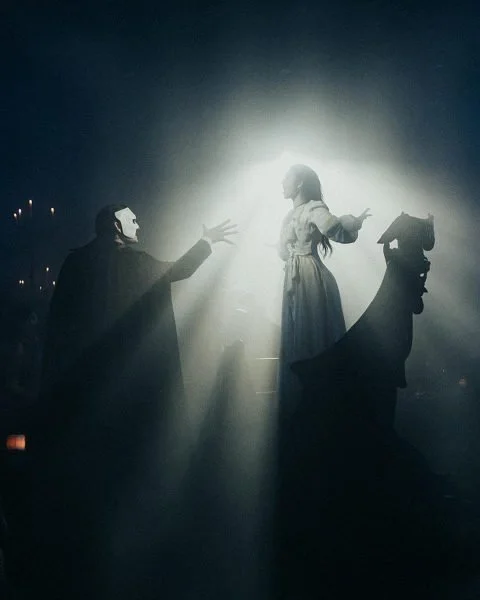
Photo by Andy Henderson from the Masquerade Web Site
I finally saw the immersive* Phantom of the Opera production Masquerade back at the end of April with a group of friends, and while I’ve never really been a Phantom fan, I have to say that this production is one of the best immersive shows I’ve ever seen (and I’ve seen a bunch—many writeups here).
* Note: I think “immersive” has been misused by marketing people to the point of oblivion, but I would say this production truly is immersive and deserves the description so I’ll use it here.
After working in this business for 40+ years, it’s pretty rare for me to get lost in any kind of production or attraction, but this one got me a couple times through sensory overload and immersion in the best sense of the word. Maybe I’m old fashioned, but I like narrative and plot, and Masquerade tells a simplified, linear version of the creepy Phantom story. This is unlike many other productions in this genre like Sleep No Moreor Meow Wolf, where the audience wanders through a world with an elaborate backstory on their own; I rarely have enough patience in those places to get the full experience. And even though I knew there were other audience groups in the building while we were there, it was so well managed that even I didn’t once see evidence of another group as we navigated this warren-like maze (audience groups go through in “pulses”, and they can do up to six a night; I’m guessing the night we were there was a bit less than that) That was truly impressive, and really helps regular audience members get lost in the illusion of the show. They also did a great job managing audio spillover from adjacent rooms/pulses.
The singers are live but (aside from an opening violin player) the music was pre-recorded. With all the different spaces and overlapping groups, the sound system is very complex, but probably the most innovative part was how the music play back for up to six simultaneous independent groups was handled. The backbone show control is done using ShowPulse software and a lot of time code; Michael Lawrence has more on the audio and show control here. The sets were great and they made use of every square inch of this byzantine space, and I loved a few scenes where the cast and crew basically pushed the audience out of the way to move set pieces and characters around. The lighting was great, and costumes and all the other production elements were very well done.
They have also done a great job in giving a few special experiences to smaller groups of audience members (helps drive repeat business!); we ended up at the back of a group, and watched a scene from an overhead walkway and felt like we had missed out. But at the end of this scene, our small group was able to run with the Christine character through some back hallways on her way to the next scene, which was cool. There’s also a carnival scene that features some of my real Coney Island side show friends (one recognized me but stayed in character) which was great.
All in all it was a great production, and I feel like Masquerade is a milestone of maturity of the immersive form, in the same way that “Rise of the Resistance” was to the world of dark rides (my writeup on that amazing attraction here). I don’t think that the creators of this show had to really invent much, but, instead, have learned from decades of previous production experience and have used all the available technology and production techniques in ways to most effectively tell the story. In that way, it’s a masterpiece of show craft.
One note: they do give out a program, but annoyingly it’s just a list of “Teams” with no job titles. I recognized a couple friends in the lists, but otherwise it’s hard to tell who does what. I think is part of a really stupid trend that’s been happening (also true for the incredible ABBA Voyage and others) where they treat all the production as some kind of magical secret, when in reality this means that good production people don’t get the credit they deserve. Obviously, no one should or would give away trade secrets, but not giving credit to the design and production team doesn’t seem to benefit anyone.
We waited until a discount became available, because tickets are pricey. But even that’s justifiable; there are dozens and dozens of people working on this production, and congratulations to all of them for really achieving something amazing.